
We serve in Washington USA, Oregon USA, British Columbia Canada

Business trips can become hard when an airport ride arrives late. A small delay may affect meetings, plans, and client visits. Finding a taxi after landing can also take valuable time. Rental cars bring extra steps, including forms, parking, and driving. An Airport shuttle gives business travelers a planned and clear ride. It can take one person or a full team directly.
Good travel starts with the right ride and clear details. This guide explains how airport shuttle services support busy professionals. You will learn about booking, costs, vehicles, and flight updates. We also compare private rides, shared shuttles, taxis, and rental cars. Each section gives simple tips for smoother work trips. By the end, you can choose and book with confidence.
Business travel can fail when ground plans lack clear timing. A late pickup may affect meetings, flights, and client plans. Busy leaders also need privacy, calm space, and useful updates. Basic travel apps cannot always meet these key business needs. A well-run airport shuttle connects flight plans with business schedules. It gives each traveler a planned ride with clear support.
Executive shuttle service provides planned transport between airports and business sites. Common stops include offices, hotels, venues, homes, and private terminals. Companies may book one sedan or several group vans. The right setup depends on passengers, bags, timing, and route plans.
A private ride serves one person or one travel group. Shared service carries other guests and may include several stops. Private rides offer more control for meetings and fixed arrival times. Shared options may suit solo guests with more open schedules.
This service can support many types of corporate guests:
The booking starts with correct flight and passenger details. Travelers should share flight numbers, phone contacts, and pickup addresses. They should also list bag counts and any large work gear. These details help the provider select a fitting vehicle.
Dispatch teams can monitor flight times and change pickup plans. Early arrivals, late landings, and gate changes require clear contact. Some providers meet guests inside baggage claim with name signs. Others use curbside areas or marked zones for paid vehicles.
Domestic and foreign arrivals may need different waiting periods. Customs, bag checks, and border steps can extend foreign pickups. Travelers should confirm wait rules before accepting any quoted fare. They should also learn when added waiting charges may begin.
A sedan often suits one traveler with limited baggage. An SUV gives small teams more room for bags and gear. Executive vans can carry larger groups under one shared plan. However, seat count never confirms enough room for every suitcase.
Corporate planners should match each vehicle with real trip needs. They should review these points before confirming executive shuttle booking:
Strong providers use trained chauffeurs and clear dispatch systems. They also give written details for rates, wait time, and pickup. Commercial permits and valid insurance add further trust for companies. Recent reviews can show how teams handle real travel changes.
A complete business airport transportation guide must discuss backup plans. Ask how providers handle vehicle faults or driver changes. Learn who answers calls during early or late travel hours. Confirm how dispatch responds when flights cancel or move terminals.
Corporate accounts may add central booking and clear trip records. Some firms also offer monthly bills and saved traveler details. These tools help managers review costs and plan repeat travel. They also reduce manual work for assistants handling several leaders.
The best executive option fits the traveler’s actual business plan. It should balance timing, space, privacy, price, and support. With detailed research, professionals can book ground travel with confidence.

Business trips leave little room for late rides or unclear plans. One missed pickup can affect meetings, flights, and valued client time. A planned airport shuttle helps leaders move with fewer travel tasks. It brings flight times, road plans, and meeting needs together. This support helps busy guests focus on work instead of driving.
Corporate guests often follow tight plans with several daily tasks. They may land before meetings, site visits, or key events. A booked executive ride gives them a set pickup plan. Flight checks also help dispatch teams follow changing arrival times. Early or late landings can then receive updated pickup support.
Frequent flyers gain more value because they travel more often. Saved guest notes may include ride type and contact choices. Some firms also store common routes and regular hotel details. These records can shorten future bookings and limit repeated questions. Clear ride plans help frequent guests keep each trip familiar.
Time control also depends on strong local route knowledge. Skilled chauffeurs can review traffic before leaving the pickup point. They may select another route when road work slows traffic. However, no firm should promise timing that roads cannot support. Good service uses planning, updates, and honest arrival time advice.
Driving requires full focus on roads, signs, and parking. Executive guests cannot review reports while managing a rental car. They also lose time finding fuel and returning the vehicle. A chauffeur handles those tasks while guests manage business needs.
During the ride, business guests may complete several useful tasks. They can check emails, review slides, or confirm meeting notes. Quiet cabins may also support calls with staff or clients. Charging ports keep phones ready during long rides between cities. Available Wi-Fi can help, though guests should confirm it first.
Some leaders may prefer rest after long or overnight flights. A calm ride gives them time before demanding business work. That break can help them arrive more focused and prepared. Productivity includes both active work and useful personal rest.
Driving may suit travelers with open plans and several personal stops. However, it adds rental forms, parking fees, and route duties. Travelers must also handle traffic after tiring or delayed flights. Those tasks can reduce useful time before an important meeting.
Chauffeur service offers a different form of value. The traveler receives door-to-door transport without parking or vehicle returns. Groups can also stay together instead of renting several cars. One shared executive van may reduce calls between team members. It also helps each guest reach the same site together.
CEOs and board members often need private and calm travel. Their rides may involve calls, notes, or private work files. Chauffeurs should respect quiet requests and limit needless talk. Unmarked vehicles may also suit guests who value greater privacy.
VIP guests need clear support from landing through final drop-off. Meet-and-greet service helps visitors find their chauffeur inside busy terminals. Luggage help can also make the airport exit much easier. Clear text updates tell guests where and when to meet.
Travel managers should share accurate details before every planned ride. Important details include flight numbers, bag totals, and phone contacts. They should also confirm vehicle space for guests and work gear. Return times and extra stops need written booking notes as well.
Executive travel works best when every small detail supports the schedule. Clear contact, useful updates, and correct vehicles reduce needless travel work. These benefits explain why many business leaders choose chauffeur-driven ground travel. They gain time, privacy, group control, and a better arrival plan.

Business travel requires sharp timing, clear plans, and steady focus. Small transport delays can disrupt meetings and weaken daily work plans. An executive airport shuttle removes many tasks from each trip. Travelers avoid parking searches, rental desks, and unfamiliar road routes. They also gain useful time before or after each flight. These gains explain why professionals often select planned executive transport.
Time remains one of the clearest executive shuttle benefits. A booked driver arrives according to the confirmed travel schedule. Flight tracking helps the service respond when arrival times change. This process limits needless waiting after baggage claim or customs. Direct routes also reduce stops between airports, hotels, and offices. However, travelers should confirm whether their booking includes shared stops.
Professionals can use travel time for several useful tasks:
An airport shuttle can protect both work time and focus. That value becomes greater during packed trips with several meetings. Frequent travelers also avoid learning new roads within each city. Their driver handles traffic, parking, terminals, and planned pickup points.
Business travel already includes deadlines, flight changes, and client needs. Added driving duties can make each workday feel more tiring. A planned executive ride removes several choices after every landing. Travelers know their pickup place, vehicle type, and contact method. Clear booking details also reduce worry about payment or route changes.
Drivers can monitor flights and adjust pickups after common delays. Good providers explain waiting limits before the traveler confirms service. They also share steps for missed flights or lost bags. These terms prevent doubt during difficult or rushed travel moments. Travelers should still report major changes through the stated contact channel.
Executive transport improves travel flow through one clear booking process. Travel managers can arrange rides for leaders, staff, or guests. A shared account may store routes, contacts, and payment details. Digital receipts can also support expense reports and company travel rules. This structure reduces separate claims from taxis, parking, and fuel.
Group bookings provide further value during company events or conferences. Managers can match vehicle sizes with passenger and luggage counts. They can also create pickup lists for separate arriving teams. Clear guest names help drivers find each traveler without confusion. Backup vehicles matter when several rides share one tight schedule.
A higher ride price does not always mean higher total cost. Companies should compare transport costs with time, parking, and rental fees. They should also include fuel, tolls, and possible late charges. Fixed quotes can make trip budgets easier to plan and review. Yet buyers must ask which fees the quote actually covers.
Executive shuttle cost savings often appear through fewer lost work hours. The service may also act as a useful employee benefit. Staff arrive with more time for meetings and daily duties. Clients receive a polished welcome without solving local transport alone. That service can support the company’s image during key visits.
The strongest value appears during busy, costly, or complex trips. Early flights, large groups, and client visits need careful planning. Multi-stop schedules also benefit from one planned transport partner. Still, solo travelers with flexible plans may prefer public transit. A short local ride may also cost less by taxi.
Companies should compare price, time, service terms, and trip needs. They should review driver checks, permits, insurance, and vehicle care. Cancellation rules and backup plans also affect the service’s true value. When these details match company needs, executive transport becomes worthwhile. It supports better time use, simpler costs, and calmer business travel.
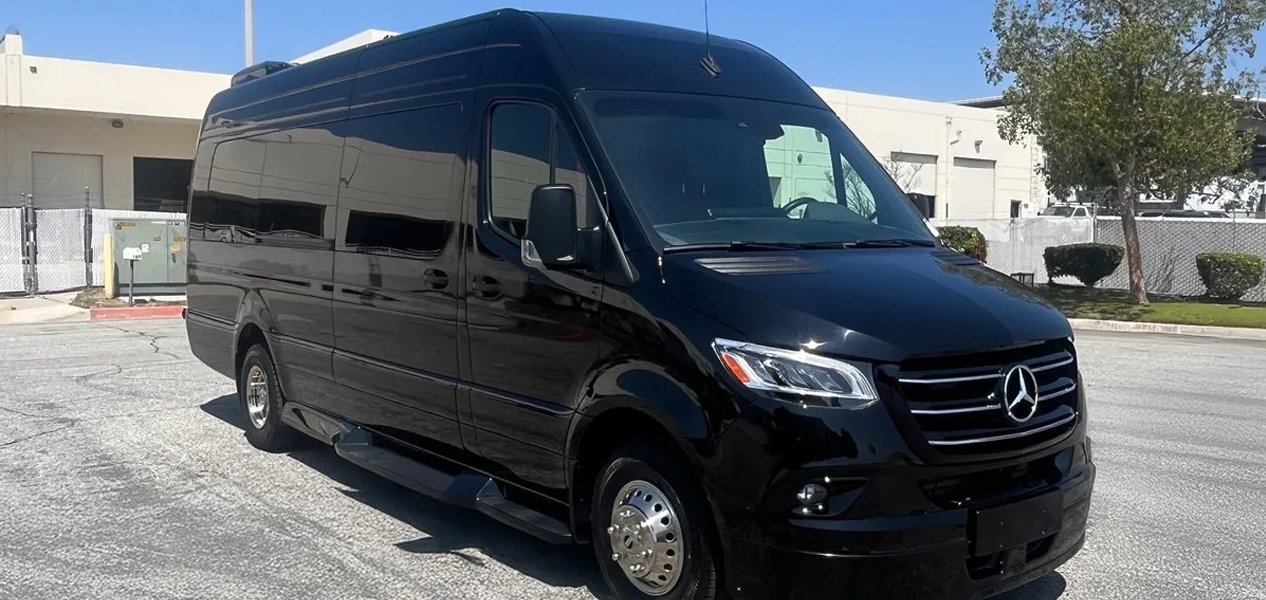
No transport choice fits every business trip or company budget. Each option offers different costs, timing, privacy, and service levels. Professionals should compare the full trip before confirming any ride. An airport shuttle often provides planned service with clear booking terms. However, trip length and group size can change that value.
Taxis offer quick access from many busy airport pickup zones. Travelers can usually join a line without making advance plans. However, taxi wait times may rise during busy flight periods. Vehicle size and service quality can also vary between drivers. Some taxis charge by distance, time, tolls, or local rates.
Executive transfers normally require booking before the planned pickup time. That booking confirms passenger details, luggage needs, and final destinations. Fixed quotes may provide clearer costs for company expense plans. Drivers may also track flights and update arrival pickup times. These services often suit meetings with little room for delays.
Taxis may work better for short rides with flexible schedules. Planned transfers often fit longer routes or formal client trips.
Rideshare apps provide quick booking through one familiar mobile platform. Prices may appear low when local demand remains limited. Yet higher demand can raise fares during major airport periods. Driver supply may also change after delays or late arrivals. Pickup zones sometimes require long walks from certain airport terminals.
Professional transfers provide named contacts and confirmed service details beforehand. Companies can request suitable vehicles for passengers and business luggage. Drivers also receive the route before reaching the pickup location. This preparation helps groups avoid splitting into several smaller vehicles.
Rideshare may suit flexible travelers taking simple local trips. Executive service offers more structure for leaders, clients, and teams. It also presents a polished welcome for valued business guests.
Rental cars provide freedom during trips with many daily stops. Drivers can change routes without contacting a transport service. Still, rentals bring forms, deposits, fuel, parking, and return duties. Companies may also review added insurance and driver policy terms. Airport rental centers can require extra terminal transfer time.
A chauffeured transfer removes driving and parking from the traveler’s schedule. Passengers can work, call colleagues, or rest during each ride. Direct service also removes rental returns before early departing flights. Yet booked rides need clear times for every planned movement.
Rental cars fit trips requiring frequent travel between many locations. Executive transfers suit fixed schedules, airport routes, and focused business days.
These service names often overlap within business travel marketing materials. Both may offer private vehicles, drivers, and reservations. However, executive shuttle service may also support larger business groups. Car services often focus on private sedans or luxury SUVs. Actual differences depend more on service terms than labels.
Buyers should compare vehicle choices, wait periods, and driver standards. They should also review billing methods, flight tracking, and support. The better choice matches the trip rather than one service name. Written quotes help buyers compare equal services and included charges.
Private service gives one traveler or group exclusive vehicle use. It usually provides direct travel without added passenger pickup stops. That format supports privacy, calls, luggage control, and tight schedules. Companies can also set several stops within one planned booking.
Shared service costs less because several travelers divide total expenses. However, added pickups may increase travel time after long flights. Shared routes also offer less privacy for calls or documents. They work better when budgets matter more than direct timing.
Business travelers should consider these points before selecting either format:
The right choice depends on timing, cost, privacy, and control. Comparing complete trip needs helps companies make sound transport decisions.
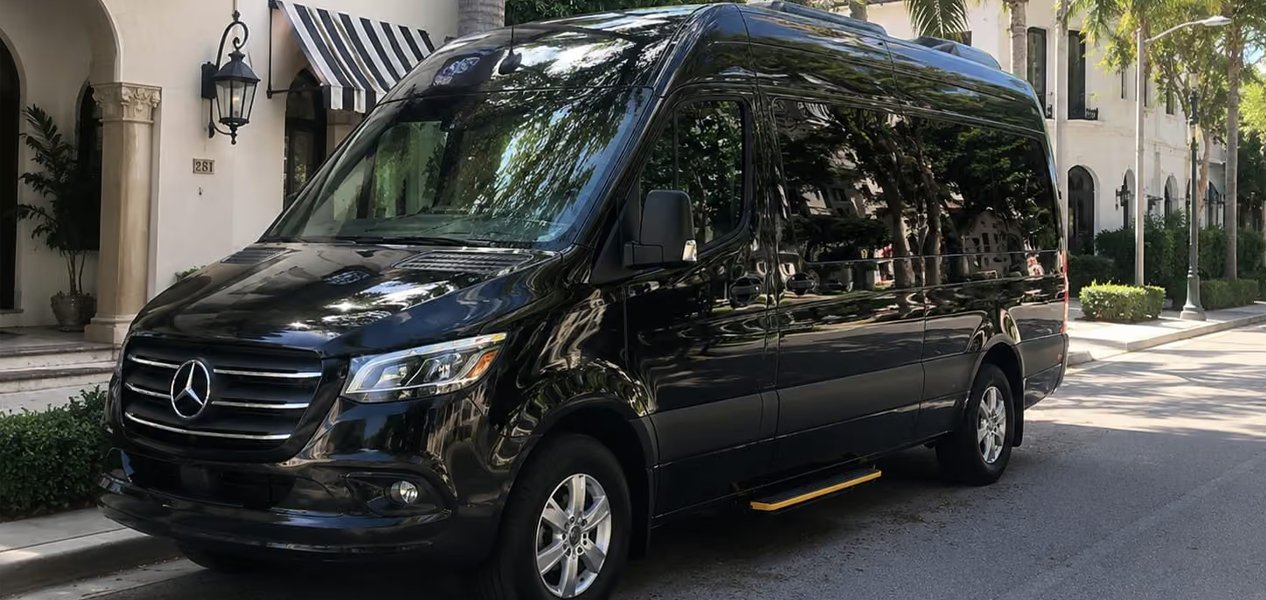
A good booking starts before the traveler reaches the terminal. Careful research helps professionals avoid delays and unclear service fees. The right provider should match each schedule and company need. Price matters, but service quality also affects the final value.
Begin by reading recent reviews from real business travelers. Notice comments about driver conduct, punctuality, support, and vehicle care. Several useful reviews reveal more than one perfect rating. The company should display clear contact details and service locations. Its website should also explain pickups, payments, and cancellation terms.
Ask whether the provider carries proper permits and business insurance. Confirm how the company checks drivers and services its fleet. A trusted provider should answer each question clearly and directly. Unclear replies may point toward weak support or poor policies.
A booked airport shuttle should include written proof and full details. The record should show dates, routes, times, and passenger names. It should also state the vehicle class and total price. Corporate travelers need these facts for approval and expense reports.
Business travelers should understand every service term before confirming payment. A low quote may exclude tolls, wait fees, or gratuity. Ask whether flight tracking comes with the stated ride price. Confirm how delays affect pickup times and included wait periods.
These questions help travelers compare each provider with greater care:
International travelers should ask how customs affects the waiting period. Domestic travelers should confirm curbside or baggage claim pickup steps. Both parties should exchange working phone numbers before travel begins.
Vehicle choice depends on passenger numbers, bags, and trip length. A sedan often fits one traveler with light business luggage. An SUV gives teams more room for cases and equipment. Sprinter vans support larger groups sharing one arrival time.
Count checked bags, carry-ons, work items, and mobility aids. Tell the provider about large cases or special seating needs. Mobility devices and service animals may require more vehicle space. Full details help the company assign a suitable vehicle.
Group bookings need complete passenger names and flight details. Separate arrivals may require timed pickups or several vehicles. One company contact should manage updates for the whole group. This approach keeps messages clear when travel plans suddenly change.
Late booking often limits vehicle choices during conferences and busy seasons. Another mistake involves sharing estimated arrivals without actual flight numbers. Flight details help dispatch teams follow delays and terminal changes. Travelers may also forget time zones when arranging return service.
Some teams provide hotel names without exact addresses or entrances. Others select shared rides despite private calls or tight schedules. Travelers sometimes accept quotes without checking added fees or terms. Each mistake can create extra work during an important trip.
Review every confirmation before sharing it with the traveler. Check the date, flight, terminal, destination, and contact number. Confirm cancellation rules before the company approves final payment.
Professionals should reserve early when their schedules allow little flexibility. Several days may work during normal weekday travel periods. Groups, major events, and peak seasons require earlier reservations. International trips need more planning because customs times often vary.
Last-minute bookings may work, but vehicle choices can become limited. Executive assistants should book after flights and meetings become firm. They can update smaller details after receiving written booking proof.
Corporate accounts can reduce repeat work for frequent business travelers. Stored billing details support faster bookings and simpler expense reports. Account contacts can also manage several rides under one plan. Good preparation protects business time, travel budgets, and service standards.

Business travel can consume hours before each meeting even begins. Driving, parking, and finding terminals demand focus from busy professionals. A booked airport shuttle can turn travel time into useful work time. However, strong results require planning before the vehicle arrives.
Productive travel begins with tasks suited for a moving vehicle. Short emails, meeting notes, and document reviews often work well. Complex reports may require more space, focus, or stable internet. Travelers should download key files before leaving their hotel.
A simple work list prevents wasted minutes after every pickup. Divide tasks by length, importance, and internet needs. Save offline copies when mobile service may become weak. Charge each device and pack a small power bank.
Before departure, professionals can prepare these useful work items:
These steps help travelers begin work without searching through luggage.
Executive vehicles can provide a calm place for focused tasks. Some providers offer Wi-Fi, charging ports, tables, or quiet cabins. Travelers should confirm these features before booking their chosen vehicle. Listed features may vary between vehicles within the same fleet.
Headphones can reduce common road and passenger noise during calls. A laptop stand may help during longer rides between cities. Travelers should keep devices stable and store them before exiting. Bright screens may also reveal private details to nearby passengers.
Shared services rarely suit confidential calls or private company documents. Private rides offer more control over noise and passenger access. Still, travelers should avoid sharing sensitive details within any vehicle. Secure connections and screen guards can support better data privacy.
Not every trip should become one long work session. Travelers need short goals that match the available ride time. A twenty-minute trip may support emails and calendar checks. Longer routes may allow reports, planning, or team calls.
Professionals should group similar tasks before beginning each travel period. They can answer messages first and review documents afterward. This method reduces mental shifts between unrelated business duties. It also helps travelers finish one useful task before arrival.
Business calls need clear timing and a quiet travel setting. Tell the driver when a planned call requires low noise. Confirm the route length before starting any important client discussion. Unexpected traffic may extend the call beyond the planned arrival.
Executive assistants can place transfer times inside the main calendar. Add flight details, pickup contacts, and meeting addresses there. Include reasonable buffers for customs, baggage, traffic, and terminal walks. These notes give the traveler one clear source for updates.
Flight tracking can help drivers adjust pickups after airline changes. However, travelers should still report cancellations or new flight numbers. Dispatch teams may not receive every airline update at once. Quick messages keep the booking tied to current travel plans.
A planned transfer also removes rental returns and parking searches. Professionals can use those saved minutes for preparation or rest. Good time management protects energy as well as working hours.
Frequent flyers benefit from using one clear travel routine. Store passenger details, common routes, and preferred vehicle types. Corporate accounts may also support faster billing and itemized receipts. Yet travelers should review stored details before every new booking.
Keep one packing list for work tools and travel documents. Use calendar alerts for pickup checks and flight updates. Share schedule changes with drivers and company travel managers quickly. Save support contacts where they remain easy to find.
Productive travel does not always mean answering more emails. Rest can improve focus before negotiations or major presentations. The strongest routine matches each ride with the traveler’s next task. Good planning turns travel hours into focused and useful business time.

Luxury business travel means more than entering an expensive vehicle. True quality appears through timing, privacy, care, and clear service. Every detail should support the traveler’s purpose and daily schedule. An executive airport shuttle should feel calm, prepared, and professional.
The vehicle should match passenger numbers, luggage, and travel distance. Executive sedans work well for one or two business travelers. Luxury SUVs provide more space for larger bags and teams. Sprinter vans can carry groups while keeping one shared schedule.
Premium vehicles should arrive clean, fresh, and ready for guests. Seats, floors, windows, and storage areas need regular care. Climate controls should work well during every local weather season. Passengers should also receive enough space for natural sitting comfort.
Luxury does not always mean choosing the largest available vehicle. The right option fits the actual trip without wasted space. Travelers should share luggage counts before confirming any vehicle class.
Premium travel features should support real needs rather than appearances. Many executive vehicles may offer charging ports and mobile internet. Some also include bottled water, reading lights, or folding tables. Travelers should confirm each feature because fleet options can differ.
A quiet cabin supports calls, emails, planning, and short breaks. Tinted windows may provide added privacy during daytime business travel. Smooth seating helps passengers remain comfortable during longer airport routes. Easy door access also matters for guests wearing formal business clothes.
These features provide practical value during demanding professional travel days:
Premium comfort should help the traveler arrive focused and prepared.
A skilled chauffeur shapes much of the luxury travel experience. Professional drivers should arrive on time and follow booking details. Their clothing, conduct, and speech should match corporate service standards. They should respect privacy and avoid needless personal conversation.
Good chauffeurs confirm routes while keeping questions short and useful. They handle luggage with care and follow airport pickup rules. Local route knowledge helps them respond when traffic conditions change. Still, no provider should promise exact arrival times during every trip.
Drivers should never discuss passenger names, routes, or business matters. Clear privacy rules hold special value for executives and VIP guests. Companies may ask providers how they train drivers on discretion.
Meet-and-greet service adds structure after a long or complex flight. A chauffeur may wait near baggage claim with clear identification. This service helps visitors who do not know the airport layout. It also supports clients arriving for meetings, events, or company visits.
Curbside pickup may work better for travelers seeking faster exits. Airport rules decide where drivers can wait and meet passengers. International arrivals may require more time because customs periods vary. Flight tracking helps dispatch teams adjust when airline schedules change.
Private aviation guests should confirm FBO access and meeting points. General terminals and private facilities follow different pickup rules. Precise instructions prevent confusion between travelers, drivers, and flight teams.
Strong service includes clear quotes, written terms, and active support. Travelers should know wait limits, cancellation rules, and added fees. Corporate billing should provide itemized receipts for each completed trip. A company account may also support assistants managing repeat bookings.
Premium providers should maintain backup plans for unexpected vehicle issues. They should also explain options for mobility aids and service animals. Personal care matters most when it solves a real travel need.
A luxury airport transfer service should combine comfort with clear planning. Fine materials alone cannot replace timing, privacy, or good communication. The best experience feels calm because every useful detail works. That balance creates real value for professionals and corporate travel teams.

Executive travel depends on trust before the vehicle even arrives. Professionals need clear standards, steady timing, and active service support. A professional airport shuttle should reduce doubt during complex business trips. However, travelers must check facts rather than accept broad promises.
Both options can provide useful transport for business travelers. However, their service models often follow very different operating systems. Rideshare drivers usually work through platforms using personal or approved vehicles. Chauffeur firms manage bookings, vehicles, drivers, and support more directly.
Business travelers should compare real standards instead of job titles. Ask how each provider checks driving records and past conduct. Confirm whether drivers receive service, privacy, and airport rule training. Companies should also explain how often they repeat these checks.
Professional chauffeurs usually follow set dress and conduct rules. They receive trip details before reaching the planned pickup point. Dispatch teams can also support drivers when routes suddenly change. This structure creates clear responsibility for each booked business ride.
Business transport companies should carry insurance required within their service area. Coverage rules differ by state, city, airport, and vehicle type. Travelers should ask whether coverage applies during the entire booked trip. Corporate travel managers may request written proof before approving vendors.
Airport permits also matter because pickup rules differ between terminals. A provider should know its approved zones and waiting areas. Fleet care records can show how often vehicles receive checks. Ask what happens when a vehicle develops an unexpected issue.
Strong providers should have another vehicle or driver available. They should explain that backup plan before clients need it. No transport company can prevent every road or vehicle problem. Clear response plans show how the company manages those events.
Flight tracking helps dispatch teams follow many common schedule changes. Drivers can adjust arrival plans when flights land earlier or later. Still, monitoring tools may not show every change immediately. Travelers should report cancellations, diversions, and new flight numbers directly.
Delay policies should explain included waiting time and added charges. International arrivals often need longer periods for customs and bags. Domestic pickup rules may use curbside zones or baggage claim. Travelers should know when the waiting period officially begins.
A missed connection may require a new booking or updated pickup. Lost baggage can also extend the passenger’s terminal wait. Contacting dispatch early gives the provider more planning time. Flexible terms offer value when airline plans change without warning.
Travelers also play an important role during each ground transfer. They should verify the vehicle and driver before entering. The booking message should include names, vehicle details, and contact numbers. Never rely only on someone calling the passenger’s name.
Corporate travelers can follow several simple steps during each trip:
Shared rides may limit privacy for calls and business papers. Private service gives companies greater control over passenger access.
Punctual service matters because executives often follow fixed meeting schedules. Yet no company can promise exact timing under every condition. Traffic, weather, terminal limits, and road closures affect all providers. Honest firms explain these limits while planning useful time buffers.
Travelers should review cancellation terms and wait rules before payment. They should also confirm support hours for early or late trips. Written booking records create one clear source for trip details. Itemized receipts help companies review each completed service afterward.
Reliable executive transport combines trained drivers, well-maintained vehicles, and clear support. Flight updates and backup plans strengthen that working service system. These features build trust because they address real travel needs. Careful provider checks help professionals choose with greater confidence.

Company travel becomes complex when many people follow connected schedules. Separate bookings can create mixed messages, duplicate costs, and missed pickups. A corporate airport shuttle brings these trips under one clear plan. The program should support travelers, assistants, managers, and finance teams.
Group travel requires more than booking one large vehicle. Teams may arrive on different airlines, dates, or airport terminals. Travel managers should build a passenger list before assigning vehicles. Each record should include flights, contacts, bags, and destinations.
Large teams may need sedans, SUVs, and vans working together. Vehicle plans should match arrival groups and available luggage space. One trip coordinator can share changes with drivers and travelers. This structure prevents several people from sending conflicting schedule updates.
Mobility aids, service animals, and special access needs require early notice. Providers need these details when assigning each suitable vehicle type. Team leaders should also confirm who handles missed or delayed flights.
Conferences often create many airport arrivals within short time periods. Strong event plans group travelers by terminal and landing time. Hotels, meeting sites, and event centers need exact address details. Drivers should receive entrance names when large venues have several doors.
Trade shows and business events may require several daily transfers. Morning hotel pickups can follow shared schedules for attending teams. Evening service may need more flexible return times after sessions. Dispatch support helps coordinators update rides when event plans change.
Event planners should confirm these details before approving group transport:
These details keep event movement clear without burdening each traveler.
Executive meetings often leave little room for uncertain pickup timing. Private vehicles provide direct routes without unrelated passenger stops. They also offer more privacy for leaders carrying company papers. However, travelers should avoid discussing restricted matters inside any vehicle.
Meet-and-greet service can assist board members visiting an unfamiliar airport. A driver may wait near baggage claim with approved identification. Executive assistants should confirm the exact meeting point beforehand. Airport rules may limit where chauffeurs can stand or park.
C-suite travelers may also arrive through private aviation facilities. FBO pickups follow different steps than standard airline terminals. Providers should confirm access rules and aircraft timing with flight teams. The booking should also include every planned office or hotel stop.
International arrivals involve customs, immigration, bags, and terminal changes. These steps can create different exit times for each traveler. Dispatch teams should monitor flights while awaiting direct passenger updates. The traveler should report diversions or missed connections as soon as possible.
A global business traveler may not have working mobile service. Companies should provide backup contacts and written meeting instructions. Driver names and vehicle details help visitors confirm their rides. Corporate hosts may also request signs using approved guest names.
Wait policies should clearly address customs and delayed baggage periods. Currency, taxes, tolls, and gratuity rules need clear written terms. Those details help international guests avoid confusion after long flights.
Large companies benefit from one ground transport program and central process. A corporate account can store billing rules and approved service classes. Travel policy may set vehicle limits for different employee roles. It may also require advance approval for premium transport options.
Booking tools should support assistants arranging travel for other employees. Finance teams need itemized receipts with dates, routes, and traveler names. Monthly reports can help managers review costs and common travel patterns. Contracts should explain rates, cancellations, support hours, and backup service.
Companies must also ask how providers protect passenger and payment data. Only approved staff should access traveler details and booking records. Clear retention rules can limit needless storage of private information.
A strong corporate transport program combines service with careful oversight. It supports executive meetings, team trips, conferences, and global visitors. Clear rules reduce booking work while keeping costs easier to review. That structure gives every company trip a more consistent process.
Service often includes booking, flight tracking, luggage help, and direct travel. Premium options may add meet-and-greet care, Wi-Fi, or charging ports. Always review included features because vehicle options and service terms differ.
Several days may work during normal weekday travel periods. Groups, global trips, conferences, and peak seasons need earlier reservations. Book once flights and meeting times become firm for better choices.
Flight tracking helps dispatch teams adjust many planned pickup times. Travelers should still report cancellations, diversions, or changed flight numbers. Review waiting periods and added fees before confirming the reservation.
Private service provides direct travel, greater privacy, and fewer passenger stops. Shared service may cost less but often requires more travel time. Tight schedules, team trips, and private calls usually favor private service.
Many providers offer company accounts with stored billing and booking details. These programs may provide itemized receipts and support assistant-led reservations. Companies should compare rates, data rules, support hours, and cancellation terms.